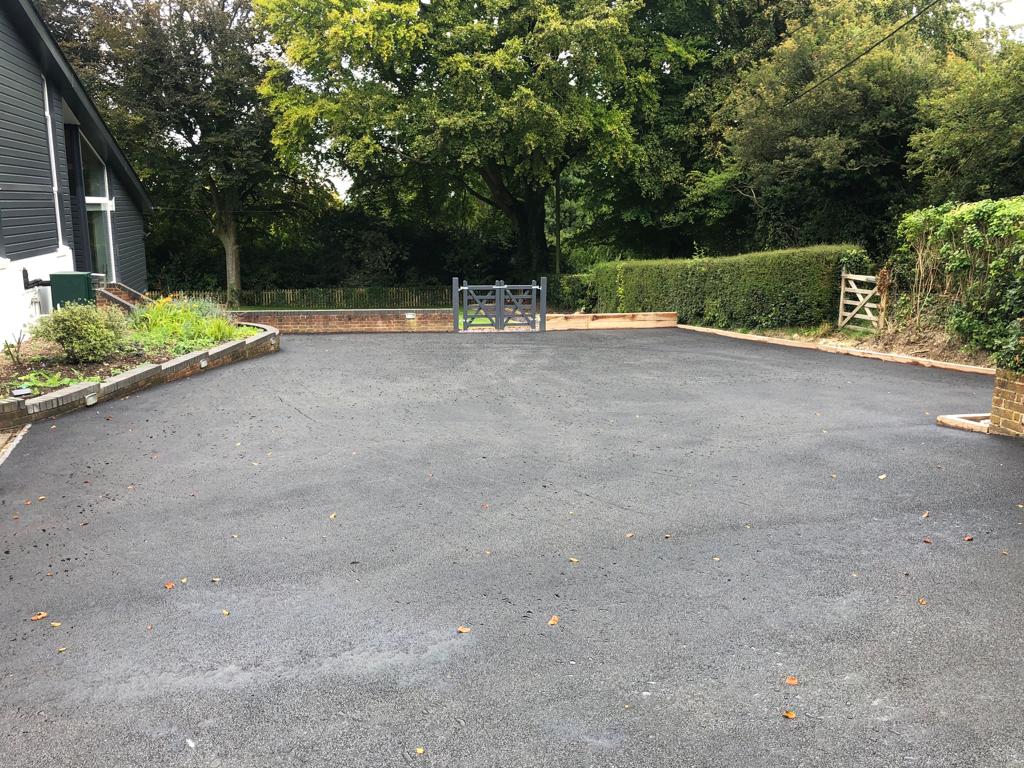
Rural roads can gradually lose their shape as they are exposed to regular vehicle movements, rainfall and the continual displacement of surface material. Without appropriate maintenance, small corrugations and shallow wheel tracks can develop into deeper ruts, potholes, drainage channels and rough sections that make everyday access increasingly difficult.
For property owners and businesses in Gundagai, NSW, professional regrading can provide an effective way to restore a neglected road where the existing pavement remains suitable for reshaping. Gundagai Road Tek provides road grading and pavement preparation focused on restoring the road profile, improving drainage and creating more reliable vehicle access.
What Happens to a Rural Road When Grading Is Neglected?
An unsealed rural road depends heavily on its profile. The road should have sufficient shape to provide a practical driving surface while allowing rainfall to drain away effectively.
Traffic gradually moves surface material. Tyres can create wheel tracks, braking and acceleration can contribute to corrugations, and loose material may migrate towards the centre or edges.
Rainfall can accelerate these changes by washing material away and creating erosion.
Common signs of a neglected rural road include:
- Corrugations
- Potholes
- Wheel ruts
- Loose or displaced material
- Standing water
- Eroded edges
- Washouts
- Uneven driving conditions
- Loss of the original road profile
Regrading aims to correct these problems where they remain within the capabilities of the existing pavement.
1. Regrading Can Restore a Smoother Driving Surface
One of the most immediate benefits of regrading is an improvement in surface consistency.
A neglected road may contain a combination of corrugations, shallow potholes and irregular wheel tracks. Drivers can find themselves continually changing position to avoid the worst sections.
Professional grading reshapes suitable existing material to create a more consistent road profile.
The objective is not simply to scrape away bumps. Effective grading addresses the broader shape of the road so that the finished surface provides more predictable vehicle access.
2. Corrugations Can Be Corrected Before They Become More Severe
Corrugations are repetitive ridges that commonly develop on unsealed roads under regular traffic.
Once established, they can become progressively more pronounced if the road is not maintained. Loose material can continue moving, while drivers may alter their speed or position to avoid particularly rough sections.
Regrading can reshape corrugated areas and redistribute suitable material across the pavement.
Where the underlying road remains stable, addressing corrugations before they become severe can help maintain a much more usable surface.
3. Regrading Can Improve Road Drainage
Drainage is one of the most important reasons to maintain the shape of a rural road.
As wheel ruts and depressions develop, rainfall may stop flowing away from the travelled surface. Instead, water can begin collecting in low areas or travelling along wheel paths.
This can contribute to:
- Pothole development
- Erosion
- Soft pavement areas
- Deeper rutting
- Edge deterioration
- Washouts
Professional regrading can restore appropriate falls and reshape sections where the original drainage profile has been lost.
Water Should Move Away From the Road Surface
A smooth-looking road is not necessarily a well-graded road.
If the pavement has been flattened without considering drainage, rainfall may remain on the surface. Effective grading needs to establish a profile that encourages water to move away rather than simply creating a visually level finish.
This is one of the key differences between basic surface smoothing and professional road grading.
4. Wheel Ruts Can Be Reduced
Vehicles naturally follow similar paths along a rural road. Over time, these concentrated loads can create depressions where tyres repeatedly travel.
Shallow rutting may be corrected during grading by reshaping and redistributing suitable pavement material.
Addressing wheel ruts is particularly important because they can begin holding water. Once this happens, moisture and traffic can work together to deepen the affected areas.
If ruts are very deep or the pavement moves under traffic, however, grading alone may not be enough. Deeper instability should be investigated before the road is simply reshaped.
5. Suitable Road Material Can Be Redistributed
Neglected roads often develop an uneven distribution of surface material.
Traffic can push material towards road edges, between wheel paths or into ridges. Rainfall may also move material away from higher sections and deposit it elsewhere.
Where the existing material remains suitable, professional grading can redistribute it to help restore a more consistent pavement.
This can make better use of the road material already present while correcting irregularities that have developed through traffic and weather exposure.
6. Pothole Development Can Be Addressed
Potholes can begin as relatively small depressions before repeated traffic and water enlarge them.
During professional regrading, shallow defects may be corrected as part of reshaping the road. More substantial potholes should be assessed to determine whether loose or unstable material exists underneath.
This distinction matters because grading over a deeper structural problem may make the road appear improved temporarily without addressing the reason the pothole formed.
Recurring potholes can indicate:
- Poor drainage
- Weak pavement material
- Localised settlement
- An unstable road base
- Repeated concentrated traffic
These issues may require additional preparation alongside grading.
7. Road Edges Can Be Brought Back Under Control
As the central driving surface deteriorates, vehicles may increasingly travel towards the road edges to avoid potholes and corrugations.
This can widen the travelled area and place additional stress on shoulders that were not intended to carry regular vehicle loads.
Road edges may then begin breaking down or eroding.
Regrading can help restore a clearly defined road profile, encouraging traffic back onto the intended driving surface where conditions allow.
8. Access Becomes More Predictable
The practical purpose of a rural road is dependable access.
When one section is corrugated, another contains potholes and the next has deep wheel ruts, driving conditions continually change along the route.
A properly regraded road provides a more consistent surface. This can make regular access easier for residents, visitors, work vehicles and other traffic using the property.
The benefit is not simply that the road looks better after grading. It functions more effectively as an access route.
9. Regrading Can Prepare a Road for Future Surfacing
Regrading can also form part of the preparation for asphalt or spray & seal surfacing.
A new sealed surface should not simply be installed over a badly shaped road. Existing potholes, ruts, drainage problems and unstable sections should be addressed beforehand.
Professional grading can help establish:
- Suitable road levels
- A consistent pavement profile
- Appropriate surface falls
- Improved drainage
- A more suitable platform for further preparation
Additional pavement work may still be required depending on the existing road condition, but correcting the profile is an important part of preparing for surfacing.
When Is Regrading Not Enough?
Regrading is valuable, but it cannot restore every neglected road.
If deterioration has progressed significantly, reshaping the existing material may provide only temporary improvement.
Warning signs that additional work may be required include:
- Very deep rutting
- Large washouts
- Extensive soft sections
- Major loss of pavement material
- Significant base instability
- Repeated failure shortly after previous grading
- Severe drainage problems
In these circumstances, parts of the road may require additional pavement material, deeper preparation or reconstruction.
Recurring Damage Should Be Investigated
If the same section becomes badly rutted or potholed shortly after grading, continually reshaping it may not solve the underlying problem.
Recurring deterioration can indicate weakness beneath the surface or a drainage problem that has not been corrected.
A professional assessment can help distinguish between a road that simply needs regrading and one requiring more substantial pavement work.
Why Professional Regrading Matters
Effective road grading requires an understanding of more than surface smoothness.
The operator needs to consider how the road carries traffic, where material has moved, how water travels across the pavement and whether any sections show signs of deeper failure.
Professional regrading considers:
- Existing road profile
- Corrugations and potholes
- Wheel rutting
- Surface material condition
- Drainage patterns
- Road edges
- Traffic movements
- Areas of possible pavement instability
Taking these factors into account helps create a road profile that addresses practical performance rather than merely improving its appearance.
Conclusion
Regrading a neglected rural road can provide several important benefits. It can restore smoother vehicle access, reduce corrugations and shallow rutting, redistribute suitable pavement material, improve drainage and help prevent minor defects from developing into more extensive deterioration.
However, grading is most effective when the underlying pavement remains sufficiently stable. Deep rutting, major washouts, persistent soft areas and recurring potholes can indicate problems that require additional preparation or reconstruction.
For property owners and businesses in Gundagai, NSW, Gundagai Road Tek provides professional road grading and pavement preparation based on the existing condition and use of the road. If a rural road has become rough, rutted or difficult to maintain, arranging a professional assessment can help determine whether regrading can restore reliable access or whether further pavement work is required.
Call us on: 02 5926 2530
Click here to find out more about Gundagai Road Tek
Click here to complete our contact form and see how we can help with your Asphalt and Bitumen Surfacing needs.